

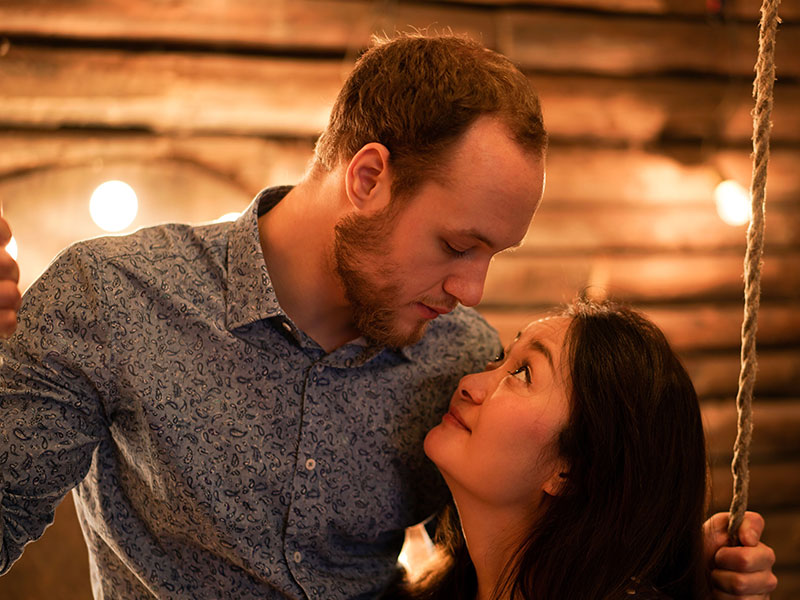
In recent years, the concept of dating has undergone a remarkable transformation. While traditional notions of romance emphasized long-term commitments and structured courtship, today’s adult lifestyle increasingly embraces casual dating. This shift reflects broader societal changes, including evolving cultural attitudes, the rise of digital platforms, and a growing emphasis on personal autonomy and self-discovery.
Understanding Casual Dating in Contemporary Society
Casual dating is characterized by relationships that prioritize connection, companionship, and shared experiences over immediate long-term commitments. Unlike traditional dating, which often aims toward marriage or life partnership, casual dating allows adults to explore their romantic and sexual preferences without rigid expectations.
Several factors contribute to the popularity of casual dating:
-
Flexibility and Freedom: Modern adults value personal growth and freedom, often prioritizing career ambitions, travel, or personal projects alongside relationships. Casual dating accommodates these priorities.
-
Digital Platforms: Dating apps and social media platforms have revolutionized how people meet, making it easier to connect with potential partners without the formalities of traditional dating.
-
Changing Social Norms: There is growing acceptance of diverse relationship structures, reducing the stigma previously associated with casual connections.
The Role of Technology in Shaping Casual Dating
Technology has been a driving force in the evolution of adult relationships. Mobile dating applications, social networking, and online communities enable individuals to explore romantic possibilities at their own pace.
Key technological influences include:
-
Swipe-Based Apps: Platforms like Tinder, Bumble, and Hinge allow users to meet compatible individuals based on shared interests and mutual attraction, often with an emphasis on short-term interactions.
-
Instant Communication: Messaging apps provide a convenient way to establish rapport and maintain connections without physical proximity, facilitating casual arrangements.
-
Algorithmic Matching: Advanced algorithms analyze user behavior and preferences to suggest compatible partners, enhancing the likelihood of meaningful yet non-committal encounters.
Psychological and Social Motivations
Understanding the psychology behind casual dating offers insight into its growing prevalence. Many adults are motivated by:
-
Exploration and Self-Discovery: Casual dating allows individuals to understand their preferences, values, and emotional needs without pressure.
-
Reduced Anxiety: With less expectation for long-term commitment, casual dating can reduce stress and social pressure, making romantic interactions more enjoyable.
-
Social Connectivity: Casual dating provides opportunities for social engagement, fostering new friendships and connections even when romantic attachment is not the primary goal.
Benefits of Casual Dating
While casual dating may sometimes face criticism, it offers several notable advantages:
-
Personal Empowerment: Adults can prioritize their goals and values while exploring relationships, gaining confidence in their choices.
-
Diverse Experiences: Exposure to different personalities and lifestyles enriches social and emotional intelligence.
-
Flexibility in Lifestyle: Casual dating accommodates non-traditional schedules and life paths, making it particularly appealing to busy professionals and digital nomads.
Challenges and Considerations
Despite its benefits, casual dating also presents challenges that require mindfulness and self-awareness:
-
Emotional Boundaries: Without clear communication, casual dating can sometimes lead to misunderstandings or unreciprocated feelings.
-
Health and Safety: Engaging in multiple casual relationships necessitates responsible sexual health practices and awareness of personal safety.
-
Societal Judgments: While norms are shifting, some individuals may still face judgment from family, peers, or cultural contexts that favor traditional dating models.
The Future of Adult Relationships
As society continues to embrace individuality and digital interconnectivity, casual dating is likely to remain a prominent feature of adult lifestyle. Its growth is supported by the increasing normalization of non-traditional relationships, a desire for authentic personal expression, and the convenience offered by technology.
Experts predict that future trends in casual dating may include:
-
Hybrid Models: Combining casual dating with long-term commitments in flexible, open arrangements.
-
Enhanced Digital Experiences: Virtual reality dating, AI-assisted matchmaking, and immersive social platforms.
-
Focus on Emotional Literacy: As casual dating matures, there may be greater emphasis on effective communication, consent, and emotional well-being.
Conclusion
The rise of casual dating reflects a profound shift in how adults approach relationships in the modern era. By prioritizing autonomy, self-discovery, and flexibility, individuals are redefining romantic engagement beyond traditional expectations. While challenges exist, the benefits of casual dating—personal growth, diverse experiences, and social connectivity—demonstrate its relevance in contemporary adult lifestyle. Understanding and navigating this landscape with mindfulness and respect ensures that casual dating can be a fulfilling, enriching part of modern romance.
FAQs
1. Is casual dating suitable for everyone?
Casual dating can suit individuals seeking flexibility and personal growth, but those desiring deep long-term commitment may find it less fulfilling.
2. How can one navigate emotional boundaries in casual dating?
Clear communication about intentions, expectations, and emotional limits is crucial for maintaining healthy relationships.
3. What role does technology play in casual dating?
Technology facilitates easy connection, matchmaking, and communication, making casual dating more accessible and dynamic.
4. Can casual dating lead to serious relationships?
Yes, casual dating can evolve into committed relationships if mutual interests, values, and emotional connections develop over time.
5. How can adults ensure safety in casual dating?
Practicing safe sex, meeting in public spaces, and sharing plans with trusted friends are essential steps to maintain safety.
6. How does casual dating impact mental health?
When approached mindfully, casual dating can enhance self-confidence and social engagement, but lack of communication or mismatched expectations may cause stress.
7. Are societal attitudes toward casual dating changing?
Yes, societal norms are increasingly accepting diverse relationship structures, reducing the stigma associated with casual connections.
